
Our Blog

Melbourne property lawyer Melly Shute explains what first home buyers can expect, what to look out for and who you want on your side. Buying your first home is a strange experience. One minute you’re scrolling property listings from the couch. The next, you’re standing in a crowded kitchen at an open for inspection, mentally arranging your furniture while an agent casually mentions there’s “quite a bit of interest”. Then someone sends you a 70 page contract. Welcome to buying property. For first home buyers, it can feel like everyone else knows something you don’t. Agents talk about settlement dates. Brokers want documents. Lawyers start talking about Section 32s and special conditions. Your parents have opinions. Your group chat has even more.

Learn why your lawyer may ask where your money came from and how Australia’s new AML laws affect property buyers and sellers from 1 July 2026.

"The purchase price gets you through the front door. Understanding the true cost gets you to settlement."

By Melly Shute You think you're buying real estate. You're actually buying shares. A company share flat is one of Melbourne's more unusual property ownership structures and is most commonly found in older apartment buildings throughout East Melbourne, Toorak and South Yarra. Unlike a standard apartment purchase, the buyer does not receive a Certificate of Title. Instead, they acquire shares in a company that owns the building and are issued with a Company Share Certificate. Those shares provide the exclusive right to occupy the flat

By Melly Shute There are few things more reliably Australian than trying to solve a complicated national problem with a tax tweak and a press conference. This week’s idea is the possible removal of the capital gains tax discount for investment properties, a proposal that has all the ingredients of a proper local political feast: investors clutching their spreadsheets, first home buyers clutching their despair, and renters clutching whatever remains of their bond. For those playing along at home, the CGT discount is the tax rule that softens the blow when an investor sells a property for a profit. Remove it, and suddenly the tax bill gets chunkier, triggered at the contract date no less, which, in property terms, is rather like being told the music stops before you have even put the champagne back in the fridge.

By Melly Shute From 1 July 2026, changes to Australia’s Anti-Money Laundering and Counter-Terrorism Financing laws mean that law firms are required to complete additional identity and risk assessment checks before providing certain services. These reforms are designed to protect the financial system and prevent misuse by criminal organisations.

A $735,000 waterfront shack earning $70,000 per year has hit the market, according to realestate.com.au . Coastal lifestyle, strong headline income, and short stay appeal make this type of property attractive to investors in Victoria. But for anyone considering a short stay property investment, understanding the full legal and financial picture is critical. A property that looks profitable on paper may have hidden costs, compliance obligations, and risks if not carefully assessed.

Who knew that the slightly shabby, no lift, 1960s and 1970s walk up apartment would become the star of Victoria’s property market? While everyone has been chasing houses with white picket fences, these old flats are quietly outperforming detached homes in price growth, proving that sometimes smaller, simpler, and cheaper to run really does win. Recent data shows unit prices in Victoria have been climbing faster than houses in many suburbs. Some forecasts predict apartment prices could rise by seven per cent this year, slightly ahead of house price growth. For first home buyers, the maths is simple. House prices have risen nearly seventy per cent over five years while units have grown about thirty per cent, meaning entry level buyers can get a foot in the door far sooner with an apartment.

Article posted by innercitynews.com.au Melly Shute | 16th January, 2026 Victoria has never been shy about a rental reform. In recent years, the Residential Tenancies Act has been amended so often that, at times, it feels less like legislation and more like a subscription service, “features” released regularly, whether anyone asked for them or not. The intention behind the reforms is clear and, in many respects, admirable: greater security for tenants, improved minimum standards in rental homes, more transparency in the leasing process, and fewer “surprise” terminations.
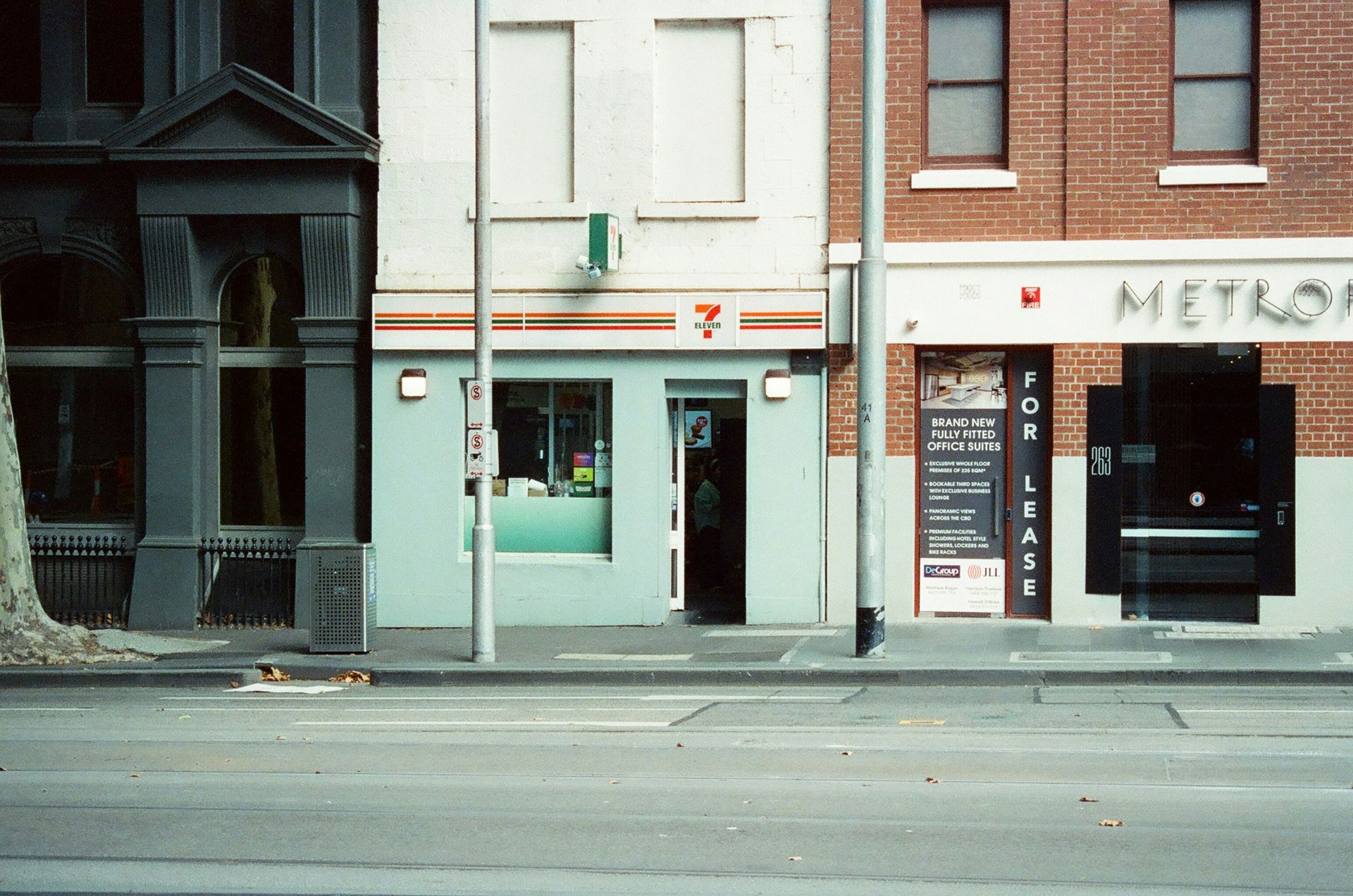
Commercial property law can look simple until the paperwork starts talking. Melly Shute | 16th January 2026 Mixed use property is having a moment in Melbourne. A shopfront with a residence upstairs looks like the dream: income downstairs, lifestyle upstairs, and the smug satisfaction of owning “a little building” in an inner city suburb.