
Buying a Shop With a Residence Upstairs, and Café Leases That Make Tenants Cry
Commercial property law can look simple until the paperwork starts talking.
Melly Shute | 16th January 2026
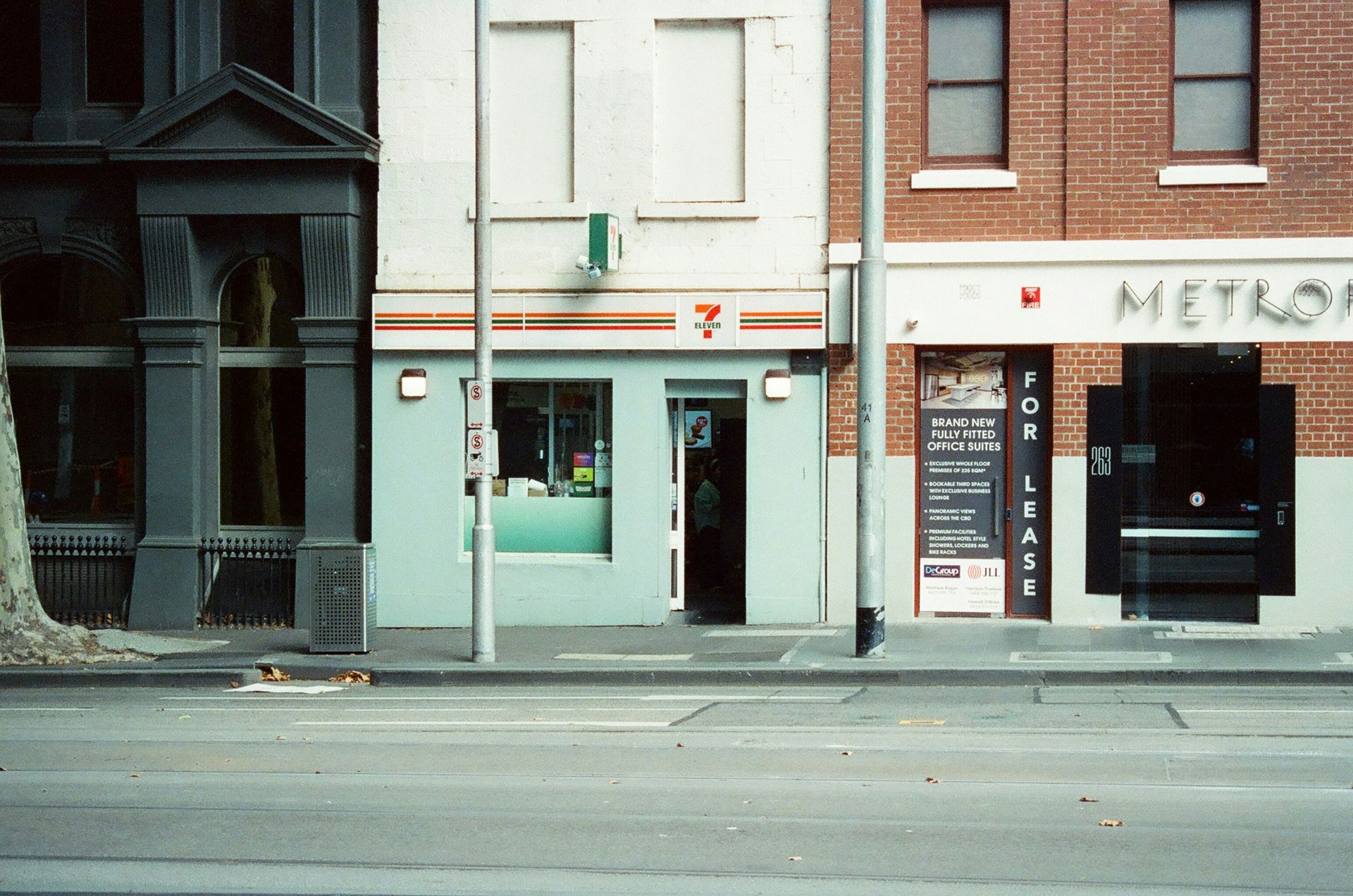
Mixed use property is having a moment in Melbourne. A shopfront with a residence upstairs looks like the dream: income downstairs, lifestyle upstairs, and the smug satisfaction of owning “a little building” in an inner city suburb.
Cafés and hospitality operators are also signing leases in a market where landlords often hold the pen, and that pen is frequently loaded with a clause that effectively says: everything is on you, forever, no exceptions, good luck.
In Victoria, these deals can be excellent. They can also be a trap if GST, outgoings, permits, building services, and lease risk are not nailed down before signing.
This article is a high-level guide to the issues that commonly catch buyers and tenants in Melbourne’s mixed use and café leasing market.
The mixed-use trap: shop downstairs, residence upstairs
The headline risk with mixed use property is that it is rarely one neat transaction. It is usually a combination of a commercial asset, a residential component, and sometimes an existing lease. That means multiple legal regimes and multiple moving parts.
Key issues to identify early include:
GST and the contract structure
GST outcomes can materially change the true purchase price. Whether GST applies may depend on factors such as whether the property is sold as a taxable supply, whether there is a going concern, and the nature of the existing lease arrangements. The contract needs to be drafted to match the commercial deal, not the agent’s brochure summary.
Leasing status and income reality
If there is an existing tenant, the buyer is not just buying bricks and mortar. The buyer is inheriting a legal relationship. The lease terms, rent review mechanism, options, incentives, and make good obligations can affect value more than the paint colour. Lease due diligence is not optional in mixed use purchases.
Outgoings and who pays what
Outgoings are often where the math goes wrong. Council rates, water, insurance, owners corporation charges, land tax, repairs and maintenance, and services can be apportioned differently depending on the lease wording and the actual setup of the building. If there is shared infrastructure, such as water meters, grease traps, exhaust, or shared electricity, the contract and lease must address it clearly.
Finance restrictions and valuation pain
Lenders can be cautious with mixed use properties. Some banks reduce LVRs, tighten serviceability, or treat the deal as specialist security. If there is a tenancy in place, the lease quality can also affect valuation. Buyers should ensure finance clauses, due diligence timeframes, and access to lease documents are practical.
What the contract should say
The contract should clearly deal with GST position, whether it is sold with vacant possession or subject to existing tenancies, adjustment of outgoings and rent, and delivery of complete lease documentation. This is where a proper contract review shifts from nice to have to essential.
Café leases and the everything is on you clause
Hospitality leases can be profitable. They can also be structured so that the tenant effectively becomes the building’s unpaid facilities manager.
Common pressure points include:
Grease traps, exhaust, and services that suddenly become your problem
If the premises relies on grease traps, mechanical exhaust, ducting, or shared services, the lease must state who maintains, repairs, replaces, and upgrades them. The clause to watch is the one that makes the tenant responsible for any compliance, upgrading, or replacement required by law, council, or authority, even where the infrastructure services the building generally.
Permits and council compliance
Food use and trading permits are not automatic. The lease should address who is responsible for obtaining and maintaining permits, whether the landlord warrants any lawful use, and what happens if council imposes conditions that require building works.
Make good and fit out ownership
Make good is one of the most litigated parts of retail and hospitality leasing. Tenants can be required to strip a fit out back to base building, reinstate walls and floors, and remove exhaust and grease infrastructure. Fit out ownership should also be clear. What stays, what goes, and who pays if removal damages the premises.
Assignment, options, and exit strategy
Tenants often assume they can just sell the business and hand over the lease. In practice, assignment conditions can be strict, and landlords can require extensive documentation and guarantees. If there is an option term, the exercise requirements and deadlines matter. The best time to negotiate an exit pathway is before the lease is signed.
How MLS LEGAL assists
MLS LEGAL assists landlords, tenants, and buyers with:
i) Contract review for mixed use purchases, including lease due diligence and GST risk spotting
ii) Retail and hospitality lease drafting and negotiation under Victorian leasing framework
iii) Advice on outgoings, services, compliance responsibility, and make good risk management
iv) Fast turnarounds where a deal needs to be signed but not regretted
Before signing anything
If a shop plus residence purchase looks too clean, or a café lease reads like a motivational poster for personal responsibility, it is usually because the risk has been pushed into the fine print.
A short, targeted legal review can identify the clauses that change the deal, and negotiate the wording that keeps the risk where it commercially belongs.
To arrange a commercial contract or lease review, contact MLS LEGAL
Share This Blog