
$735K Waterfront Shack Earning $70K Hits the Market – Victorian Short Stay Property Investment Insights
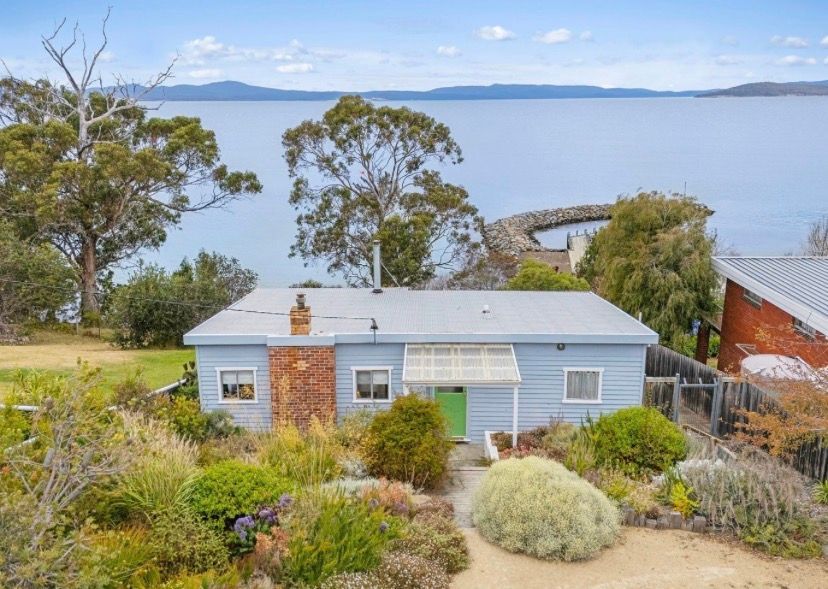
A $735,000 waterfront shack earning $70,000 per year has hit the market, according to realestate.com.au. Coastal lifestyle, strong headline income, and short stay appeal make this type of property attractive to investors in Victoria. But for anyone considering a short stay property investment, understanding the full legal and financial picture is critical. A property that looks profitable on paper may have hidden costs, compliance obligations, and risks if not carefully assessed.
Gross Income Is Not Net Profit
The $70,000 figure is gross income, not net profit. Investors must account for property management fees, maintenance, insurance, council rates, land tax, and utilities. Even before other costs, gross earnings can be reduced significantly. Understanding true profitability is essential when evaluating short stay properties in Victoria.
Short Stay Income and Tax Implications
Income from short stay rentals contributes to your taxable income. This can affect tax obligations, borrowing capacity, and overall investment return. Consulting with an accountant or financial adviser familiar with Victorian property law and short stay taxation ensures your investment strategy aligns with your goals. Proper planning helps you maximise returns while remaining compliant.
Council Approvals and Registration
Many popular Victorian holiday destinations allow short stay accommodation, but registration or permits are often required. If a property is not properly registered, councils can issue fines or enforcement notices. Confirming that a property meets all local council requirements protects your investment and avoids unnecessary risk. Regulatory compliance is a key step in due diligence.
Management and Platform Fees
Professional property managers make short stay rentals easier, but fees are significant. Management companies typically charge around 20 percent plus GST, while platforms like Airbnb charge about 15 percent. Combined, this can reduce over 30 percent of gross earnings before other operating costs. Factoring these costs into your feasibility assessment ensures you understand the true return.
Aligning Your Investment Strategy
A short stay property can deliver strong returns, but only if it fits your investment strategy. Your strategy should define your target property type, location, expected income, risk tolerance, and approach to compliance. Every purchase decision should support this strategy. Getting the right advice that aligns with your strategy is essential. It ensures you understand the opportunities and risks and allows you to make decisions with confidence.
Waterfront Investment Property Advice
Properties like this Tasmanian shack show the appeal of waterfront short stay investment in Victoria. High headline returns can be enticing, but smart investors look beyond gross income. True profitability depends on management fees, platform charges, ongoing expenses, tax obligations, and council compliance. Approaching the investment strategically and seeking expert advice helps buyers make informed decisions that balance lifestyle appeal with financial performance. Understanding the full picture turns a headline-grabbing property into a sustainable, profitable investment.
Short stay property investment in Victoria offers exciting opportunities, particularly in coastal and holiday locations. Strong returns require careful planning, legal and financial insight, and alignment with your investment strategy. Properties that generate $70,000 per year can be highly profitable, but only when all costs, obligations, and risks are understood. With the right strategy, advice, and preparation, a waterfront short stay property can be more than just a headline – it can be a rewarding, well-managed investment.
Share This Blog